
Who We Are?
Our Mission
Our mission is to challenge and address the dehumanising conditions that keep individuals and communities trapped in poverty, whether in villages, towns, or cities. We are committed to alleviating poverty, enhancing wellness, and promoting the prosperity of spirit, soul, and body.
We pursue this mission through sustainable solutions, innovative programmes, strategic partnerships, and compassionate service that create lasting impact. As a community-driven initiative, we are passionate about supporting vulnerable children, girls, women, youths, widows, the elderly, and persons living with disabilities, empowering them to reach their full potential and lead fulfilling lives.
Our History
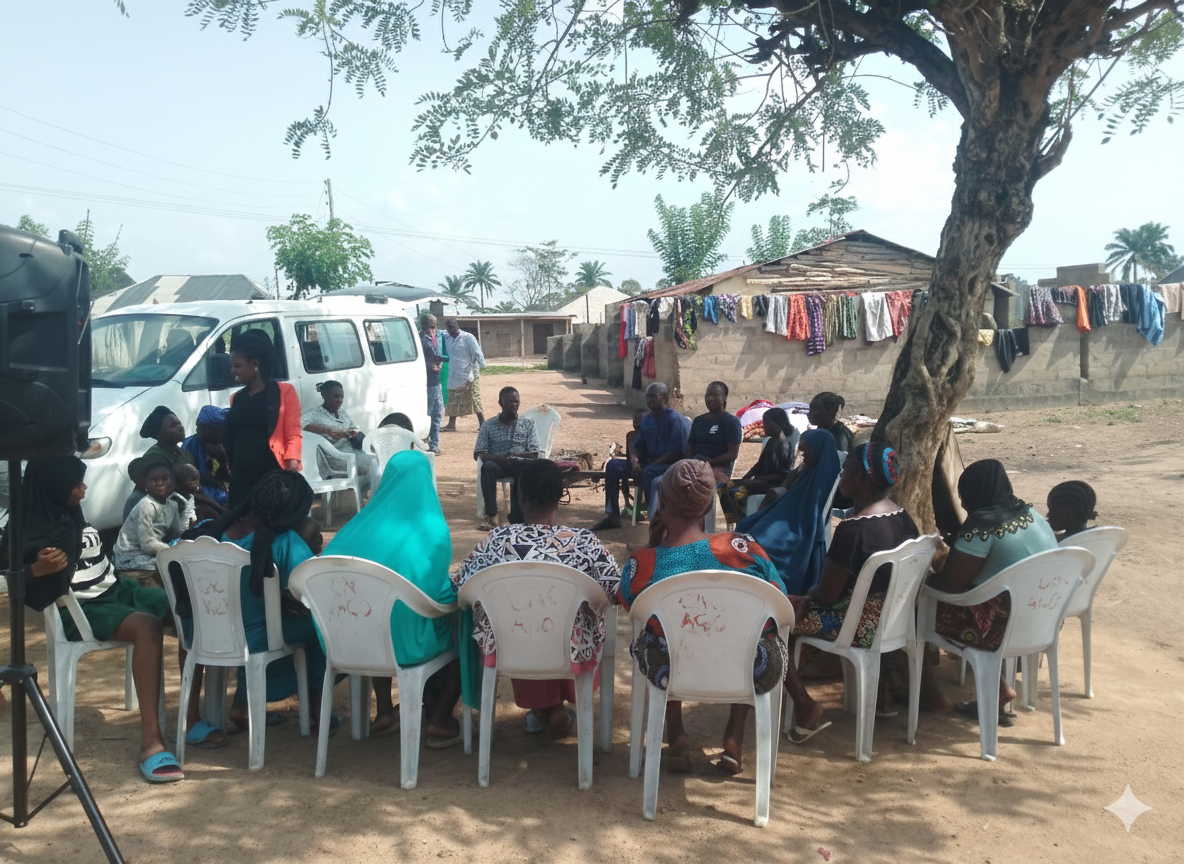
Delightsome Aids and Care Initiatives came up in 2010 out of a deep compassion for vulnerable people in the various communities where we serve and live. Through years of working among indigenous populations and disadvantaged groups, we have witnessed the numerous challenges that require the collective effort of individuals, organizations, and government institutions working together.
Driven by a vision to bring hope and transformation through practical act of love and care, we are committed to serving vulnerable communities through sustainable programmes and life-impacting services. Our interventions are designed to improve the well-being and dignity of vulnerable children, girls, women, youths, and the elderly within the communities we reach. We belong to the Disciples Commission International family..
Our Vision
To be a leading advocate and provider of holistic care for children, girls, women, youths, widows, the elderly, persons living with disabilities, and underserved communities, empowering them to live with dignity, hope, purpose, and the opportunity to reach their full potential.
These are the communities we serve - Our Focus Groups:
Vulnerable Children
Vulnerable children are those affected by social challenges, family crises, poverty, neglect, or other circumstances that place them at risk. This group includes orphans, children from broken homes, homeless children, destitute children, and other underprivileged children.
Many of these children in our communities are deprived of basic necessities, educational opportunities, emotional support, and a stable environment during their formative years. As children are the future of every community, that is why we provide them with care, protection, guidance, and opportunities that will enable them to grow into responsible and productive members of society.
Early Marriage and Child Vulnerability
Many young girls in our communities are exposed to harmful experiences at an early age, including abuse, exploitation, and child marriage, often as a result of poverty and limited access to education. Some are forced to engage in street hawking or other forms of labour when they should be in school, while others are unable to access education because their families cannot afford it.
These challenges have long-term effects on their physical, emotional, and social well-being. Through advocacy, education, empowerment, and support programmes, we seek to protect vulnerable girls and create opportunities for them to achieve their full potential.
Children from Broken Homes
Family separation, conflict, and instability have significant effects on a child’s development and well-being. Children from broken homes experience neglect, emotional distress, lack of supervision, and limited access to essential care and support.
Without proper guidance and support, many of these children become vulnerable to exploitation, abuse, substance misuse, or other harmful influences. Broken homes also lead to emotional and psychological trauma that affects a child’s confidence, relationships, and future aspirations.
Our programmes in Delightsome provide support, mentorship, counselling, and opportunities that help children overcome these challenges and build a brighter future.
Single Mothers
Single mothers often carry the full responsibility of providing for and raising their children. This group includes widows, women whose marriages have ended, and young mothers who may have limited family or financial support.
Many single mothers face significant challenges, including unemployment, inadequate income, and limited access to resources. These difficulties do affect the well-being and development of their children, who become vulnerable to neglect, marginalisation, or social exclusion.
Through our empowerment programmes in our women centre, skills acquisition training, financial support initiatives, and community-based interventions, we strengthen single mothers and help them provide stable and nurturing environments for their children.
Elderly People
Elderly people, particularly those aged 70 years and above, often face unique social, economic, and health-related challenges. Many are no longer able to work and may lack a reliable source of income or adequate support from family members.
Most of them experience social isolation at times, including health concerns, emotional distress, inadequate basic necessities and loneliness. These group of people may experience a sense of fulfilment and wisdom or feelings of regret and disappointment.
Our care initiatives seek to improve the quality of life of these elderly people through support services, healthcare interventions, home for the elderly, companionship, and community engagement.
Youths
Youth is a critical stage of life characterised by growth, strength, and important life decisions. During this period, young people are developing their identities, setting goals, and making choices that can shape their futures.
Many youths face challenges such as unemployment, lack of mentorship, peer pressure, substance abuse, crime, cultism, and other social vices. Without positive guidance and opportunities, they may become vulnerable to harmful influences.
Our youth-focused programmes are designed to equip young people with the knowledge, skills, values, and mentorship they need to become responsible leaders and productive members of society. By investing in young people today, we help build stronger communities for tomorrow.